JNTO CANADA NEWSLETTER - DECEMBER 2025
Accessible, Inclusive Travel in Japan
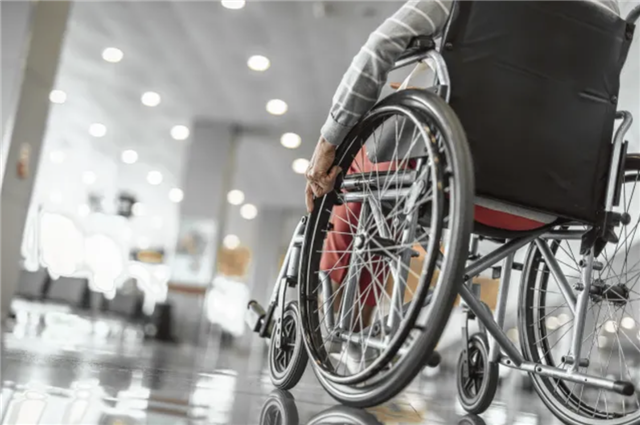
Japan continues to invest in accessible travel to eliminate barriers and provide a stress-free travel experience, making travel accessible to everyone. Whether you’re travelling with the elderly, people with disabilities or families with children, Japan is working hard to enable anyone, regardless of age or ability, to visit the country without worry or limitation. Below you’ll find some handy resources for planning a barrier-free trip, as well as how to handle unexpected emergencies while traveling.
Getting Around
|
|
|---|
|
|
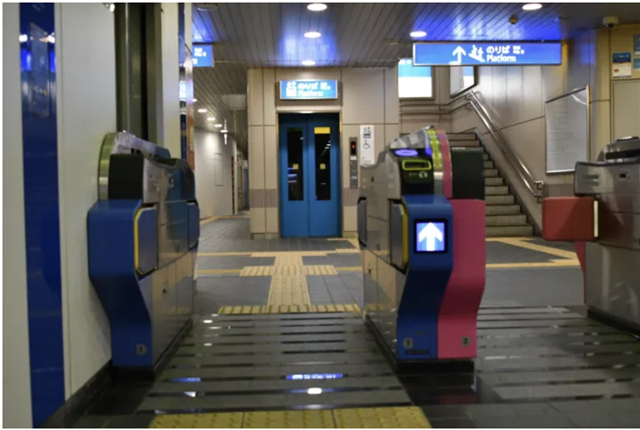
Navigating an unfamiliar city can be a challenge for anyone. Sidewalks in Japan are frequently equipped with raised yellow tiles to indicate safe walking paths for the visually impaired, and the majority of train stations are equipped with elevators, wheelchair ramps and/or other accommodations. The Foundation for Promoting Personal Mobility and Ecological Transportation shares the details of train station accessibility on their website For Safe and Convenient Accessibility.
Sports Forward
|
|
|---|
|
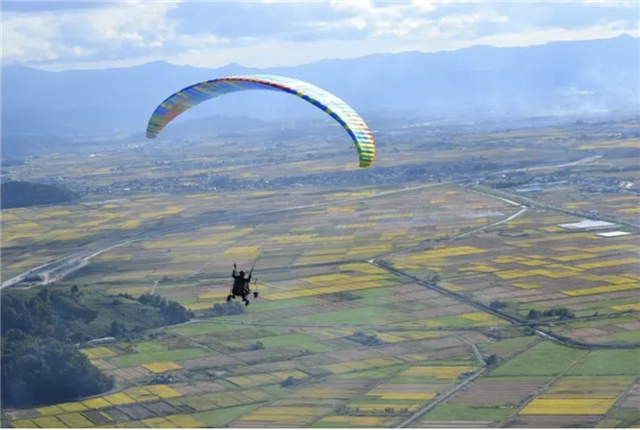
Sports tourism is becoming increasingly popular, whether that be attending a baseball game or paragliding through the sky. There are plenty of destinations with accessible sports in Japan which everyone can enjoy, from water sports in Okinawa to skiing in Nagano. With advances in athletic prosthetics and the increasing popularity of parasports, Japan is a great place to get your game on.
Touring in Tokyo
|
|
|---|
|
In preparation for the 2020 Olympics, Tokyo ramped up efforts to implement barrier-free technologies and designs for accessible tourism, encompassing applications in public transit, restrooms, lodging, and more. The Japan Tourism Agency even created an accessible restaurant guide for areas near the Olympic venues.
If you’re looking for some itinerary inspiration, then the Tokyo Sightseeing Accessibility Guide offers options throughout Tokyo’s 23 wards and Islands. You can also check out our Barrier-free 72-hour Tokyo Itinerary packed with Tokyo’s urban attractions and serene outskirts using barrier-free transportation and UD taxis.
For more information, Accessible Japan is a great resource for accessibility basics, hotels, transportation and itinerary planning across Japan.
The Tokyo Universal Design Navigator portal site brings together a wealth of information on transportation, hotels, and facilities for barrier-free travel in the Tokyo area.
|
|
|---|
|
Photo courtesy Erik Mclean unsplash |
|
|---|
|
Immediate Medical Care for Tourists in Japan
HOTEL de DOCTOR 24 provides online medical consultation for international visitors in Japan with appointments in as little as 30 minutes from the comfort of your hotel room. Patients are connected with doctors via video call and are supported by expert medical interpreters in 22 languages to eliminate the anxiety of language barriers.
The Japan Visitor Hotline
Japan National Tourism Organization (JNTO) operates a Japan Visitor Hotline 24 hours a day, 365 days a year. Call for tourist information or assistance in the case of accidents and emergencies. Support is available in English, Chinese and Korean.
For more general information about visiting Japan, you can check out the JNTO’s Canadian website: https://www.japan.travel/en/ca/.
|
|
|---|
|
|
|