|
Muslim-Friendly Travel Highlights in Northern Japan
|
|
|---|
|
When Muslim travelers come to Japan, most head straight to Tokyo, Osaka, or Kyoto. But did you know that northern Japan Hakodate, Aomori, and Miyagi offers unique experiences that many Muslim travelers have yet to explore ?
It remains a hidden gem, still little explored by the Muslim travel community. This region is rich with cultural treasures, stunning natural scenery, and unique local experiences that blend history, nature, and warm hospitality. For Muslim travelers, it offers not only beauty and discovery but also welcoming touches that make the journey inclusive and reassuring. |
|
|---|
|
|
Aomori Highlights
Miyagi Highlights
|
|
|---|
|
| |
|
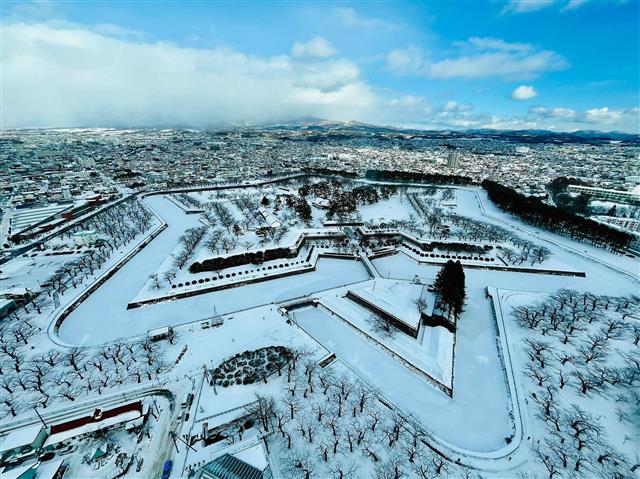
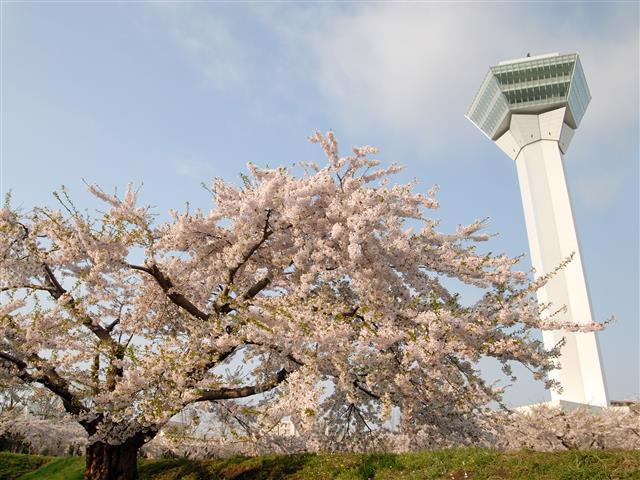
Located in Hakodate City, Hokkaido the star‑shaped Goryokaku Park is a designated national historic site. It offers beauty in every season cherry blossoms in spring, lush greenery in summer, fiery foliage in autumn, and a serene snowy landscape in winter. |
|
|---|
|
Right beside the park stands Goryokaku Tower, rising 107 meters. It is main observation deck, at about 90 meters, offers sweeping views of the star‑shaped fort below, Mt. Hakodate in the distance, and even the Tsugaru Strait on clear days.
- Access: 17 minutes by train from JR Hakodate Station, plus a short walk
- Hours: Daily, 9:00 AM – 6:00 PM
|
|
|
|
|
For Muslim Travelers 🌙: A peaceful park and cultural landmark where Muslim travelers can enjoy history and nature without food concerns, making it a comfortable visit across all seasons. |
|
Please click "Language" > "English" in the linked website for translated page. |
|
|---|
|
| |
Hakodate Morning Market
Hakodate Area
|
|
|---|
|
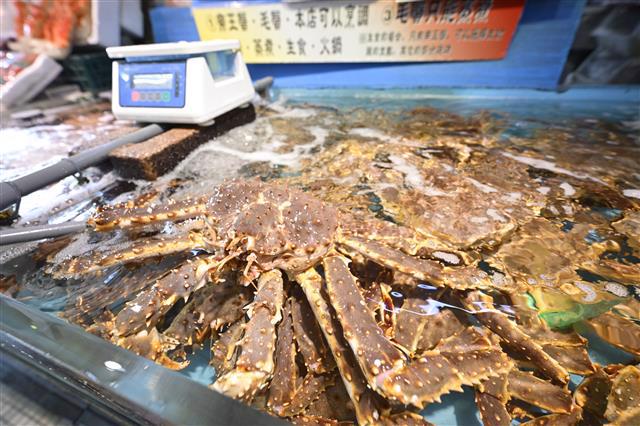
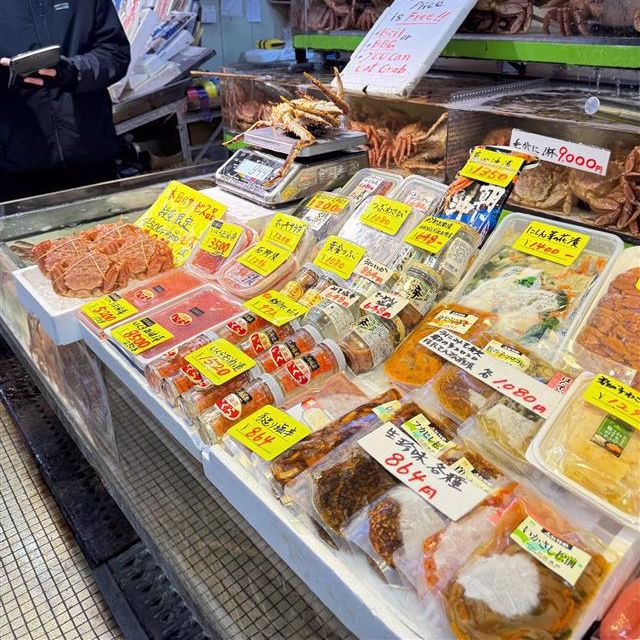
Located just steps from Hakodate Station, this lively market features over 250 stalls offering fresh seafood like king crabs, squid, and scallops, plus seasonal fruits and local produce. The bustling atmosphere reflects Hakodate’s fishing heritage, where vendors proudly display their catch of the day and visitors can soak in the energy of a true port city. |
|
|---|
|
Beyond seafood, the market also sells local crafts, snacks, and souvenirs, making it a vibrant stop for both food lovers and culture seekers.
Arriving early is recommended to enjoy the freshest seafood and Hakodate’s lively market culture.
|
|
|
|
|
For Muslim Travelers 🌙: With its focus on fresh seafood and seasonal produce, Hakodate Morning Market offers an authentic taste of local culture that Muslim travelers can enjoy with ease and confidence. |
|
Disclaimer: All photos were taken by JNTO Kuala Lumpur during the trip.
Photographer: Makoto Kato |
|
|---|
|
|
Oirase Gorge
Aomori Prefecture
|
|
|---|
|
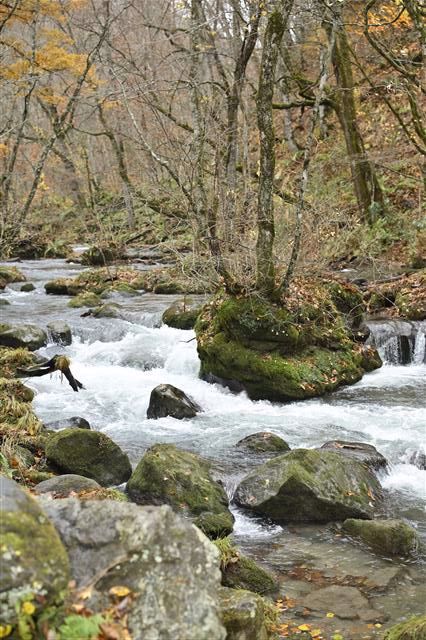
In Aomori Prefecture, Oirase Gorge is often described as the jewel of Aomori’s natural scenery. Stretching 14 kilometers from Lake Towada to Yakeyama, the trail follows a clear mountain stream surrounded by moss‑covered rocks, beech forests, and waterfalls like the dramatic Choshi Otaki.
The gorge is officially recognized as a Special Scenic Beauty and Natural Monument, and it truly earns that title with its seasonal variety fresh greenery in spring, cool shade in summer, fiery autumn leaves, and quiet snow scenes in winter. |
|
|
|
|
Activities to enjoy at Oirase Gorge:
- Leisurely walks along the well‑maintained trail
- Cycling to cover more ground and enjoy the scenery at a faster pace
- Photography of waterfalls, streams, and seasonal landscapes
- Autumn leaf‑viewing and winter snow walks for seasonal highlights
- Quiet reflection and family‑friendly outings in a peaceful environment
|
|
|---|
|
For Muslim Travelers
🌙: It is especially welcoming because the focus is on outdoor activities and natural beauty rather than food, making it a comfortable and inclusive destination to enjoy at any pace. |
|
Disclaimer: All photos were taken by JNTO Kuala Lumpur during the trip.
Photographer: Makoto Kato |
|
|---|
|
|
Hyotan Lamp Experience
Aomori Prefecture
|
|
|---|
|
In Aomori, dried gourds known as
hyotan are used in a unique local craft experience where they are turned into decorative lamps. This practice has roots in everyday life, as gourds were once used as containers, but in Aomori they have been adapted into artistic objects.
|
|
|---|
|
|
The process involves hollowing and carving the gourd, then adding light to create patterns on its surface. What makes this activity unique is the way natural materials are combined with design, producing lamps that are both practical and artistic.
It is considered a regional specialty, as this type of craft is not commonly found in other parts of Japan.
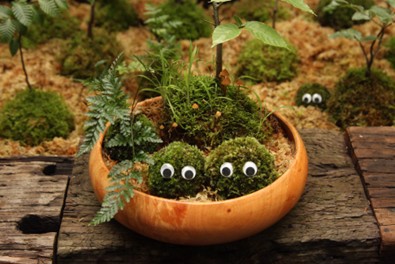
In addition to lamp-making, visitor can also enjoy mossball-making at Oirase Mossball Park, another hands-on-local craft experience that highlights Aomori's creative use of natural materials. |
|
|
|
|
For Muslim Travelers 🌙: As a non‑food cultural activity, the Hyōtan Lamp and mossball-making experience is inclusive and welcoming. Aomori is also conveniently connected to Iwate Prefecture, where Morioka Mosque provides prayer facilities and a chance to meet the local Muslim community about 1.5 hours by car or 2 hours by train from Aomori City. |
|
Credit: All photos were taken by Oirase Mossball Studio |
|
|---|
|
|
Zunda Mochi Experience
Miyagi Prefecture
|
|
|---|
|
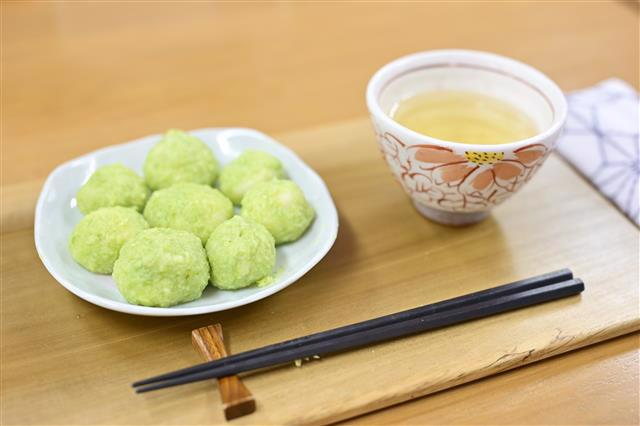
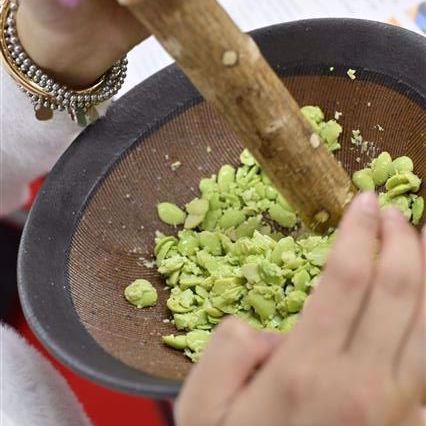
Zunda Mochi is a specialty closely linked to Sendai, the capital of Miyagi Prefecture. It is prepared by boiling edamame beans, mashing them into a sweet paste, and spreading the mixture over rice cakes. The dish is popular in the Tohoku region because edamame has long been an important local crop, and Zunda Mochi became a comfort food often served at family gatherings and celebrations.
|
|
|---|
|
The experience offers the chance to prepare Zunda Mochi yourself, learning how fresh edamame is transformed into a sweet topping.
Fun and family‑friendly, it provides insight into local traditions while letting participants enjoy a hands‑on experience to Miyagi’s culinary heritage.
Best Season: Summer to autumn, when edamame are freshly harvested. |
|
|
|
|
For Muslim Travelers 🌙: As a plant‑based sweet made from rice and soybeans, Zunda Mochi is generally easier to enjoy without concerns over non‑halal ingredients. However, guests with specific dietary needs are encouraged to inform the facility in advance, so the ingredients and preparation process can be confirmed accordingly. To complement this culinary experience, Sendai also ensures comfort for Muslim travelers with prayer facilities at Sendai Mosque located about 20 minutes by car or 30 minutes by public transport from central Sendai Station where a welcoming community awaits. |
|
Disclaimer: All photos were taken by JNTO Kuala Lumpur during the trip.
Photographer: Makoto Kato |
|
|---|
|
Matsushima Bay Cruise
Miyagi Prefecture
|
|
|---|
|
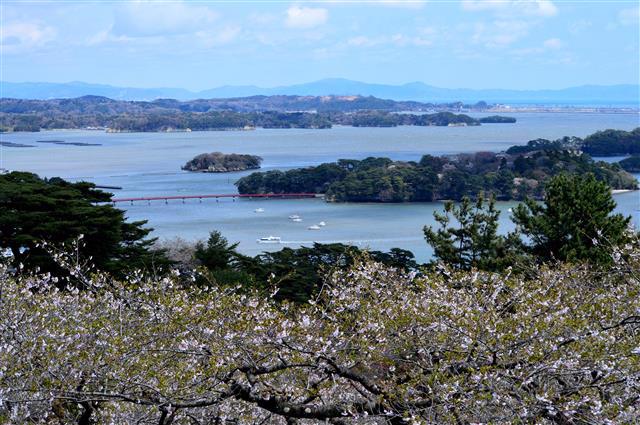
Located in Miyagi Prefecture in the Tohoku region, Matsushima Bay is celebrated as one of Japan’s “Three Great Views” (
Nihon Sankei), with more than 200 small islands covered in pine trees scattered across the water. Admired for centuries in poetry, art, and history, the bay offers scenery that changes beautifully with each season.
Cruises around the bay usually take about 50 minutes and depart from Matsushima Pier. There are three main routes:
- Circular route: Departs and returns to Matsushima, passing highlights such as Oshima and Kanrantei.
-
One-way cruise: Connects Matsushima with the nearby port town of Shiogama.
-
Longer routes: Some extend to Oku‑Matsushima, including the dramatic Sagakei Gorge.
Beyond the water, cultural activities add depth to the visit. A tea ceremony (
ocha) with Japanese sweets (
wagashi) can be enjoyed while wearing a kimono, making the view of pine‑covered islands even more memorable. This combination of natural scenery and traditional culture shows why Matsushima Bay is considered one of the highlights of the Tohoku region.
|
|
|---|
|
For Muslim Travelers 🌙: Matsushima Bay offers plenty of non‑food activities such as cruises and cultural experiences, while nearby Sendai provides prayer facilities (Sendai Mosque) for added convenience. |
|
Plan Your Northern Japan Adventure
|
|
|---|
|
Northern Japan may not yet be widely featured in Muslim travel content, and its Muslim‑friendly facilities are fewer compared to regions such as Tokyo, Osaka, and Kyoto. Nevertheless, the area is distinguished by its natural scenery, cultural traditions, and unique seasonal experiences.
For travelers seeking landscapes, heritage, and authentic encounters, northern Japan offers a journey that is both rewarding and memorable — and one that will only grow more inclusive as Muslim‑friendly tourism continues to expand.
|
|
|---|
|
| |
| |
| |
|
|