| |
Unhurried Journeys:
Where Travel Meets Local Life in Japan |
|
|---|
|
When people dream of Japan, they often imagine neon cityscapes, bullet trains, and famous landmarks packed with visitors. But beyond the well-established travel routes lies another Japan—one shaped by small communities, long‑held traditions, and places where tourism is less about spectacle and more about relationships.
This month’s newsletter explores community‑centered sustainable travel in Japan: journeys designed not just to minimize harm, but to actively support local people, cultures, and economies. It’s about traveling
with communities, not through them. |
|
|---|
|
| |
Beyond the Golden Route:
where community-led travel thrives |
|
|---|
|
Traveling beyond the mainstream routes opens the door to a deeper, more rewarding travel experience. Away from the familiar, well-traveled paths, travelers often find quieter towns and traditions that are closely woven into the fabric of the local community. Community‑centered travel puts local residents at the heart of the visitor experience, inviting travelers to slow down, stay longer and build genuine connections with the places they visit.
Regional identity is a defining element of Japanese culture, and each community takes pride in preserving and sharing its unique local specialties—from distinct styles of
ramen and
sake to traditional textiles, ceramics, and seasonal festivals. Venturing beyond the Tokyo–Kyoto–Osaka Golden Route not only supports local economies and helps reduce overtourism, but also offers a richer, more authentic understanding of Japan’s remarkable regional diversity and enduring community values.
|
|
|---|
|
At the Local Level:
Connecting with Communities |
|
|---|
|
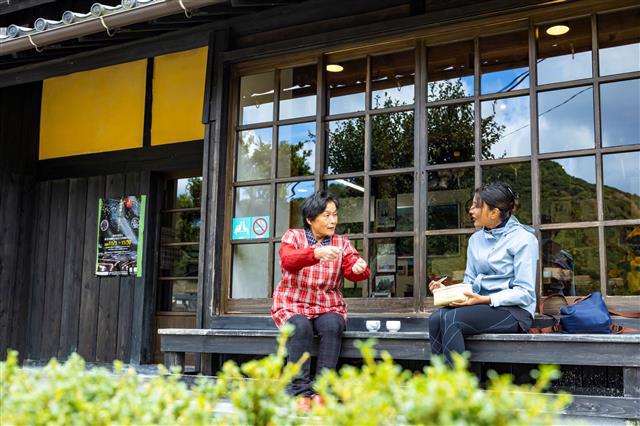
Local Stays
Choose accommodations that are deeply rooted in their communities, such as
minshuku (family-run guesthouses), small
ryokan (traditional Japanese inns), countryside stays in agricultural villages, or
shukubo (temple lodgings). These locally run options offer a more intimate view of Japanese culture, hospitality, and daily life, often shaped by generations of tradition.
|
|
|
|
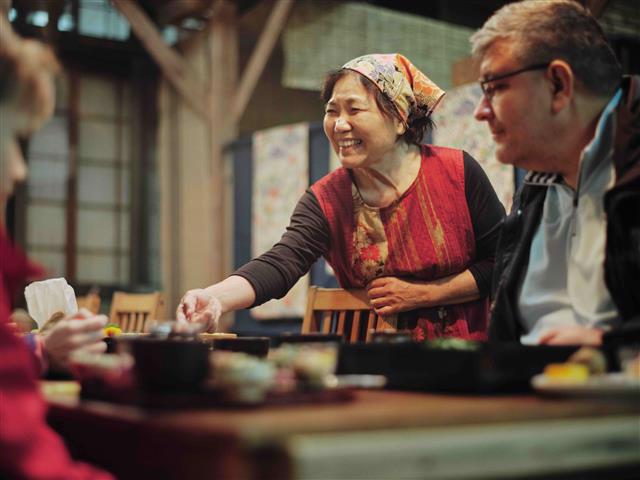
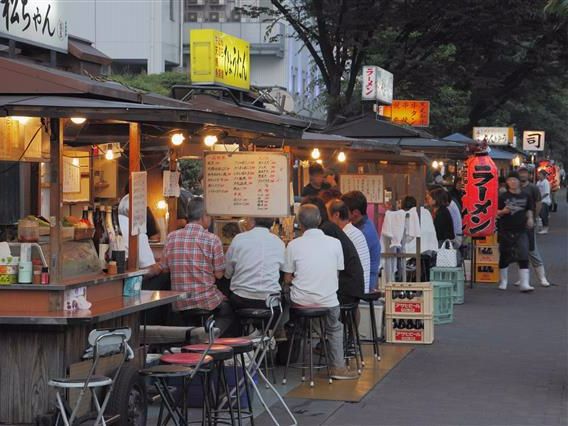
Local Flavours
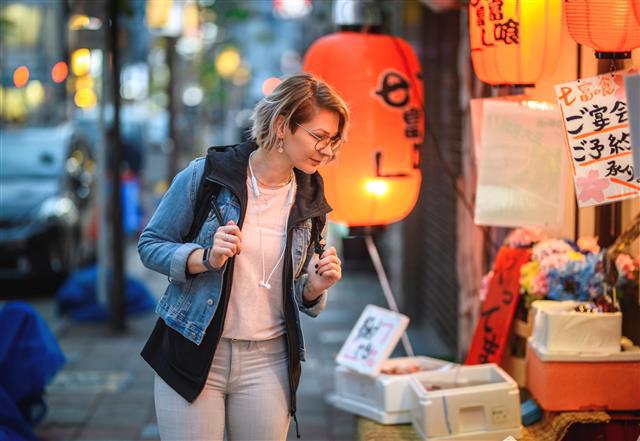
Fresh, seasonal, and local specialties are a cornerstone of Japanese cuisine. Don’t hesitate to step into a small family‑owned restaurant, a tucked‑away
yatai food stall, or a humble hole‑in‑the‑wall
ramen shop. These unassuming spots frequently highlight regional ingredients and time‑honored recipes, carefully perfected and passed down over generations.
|
|
|
|
|
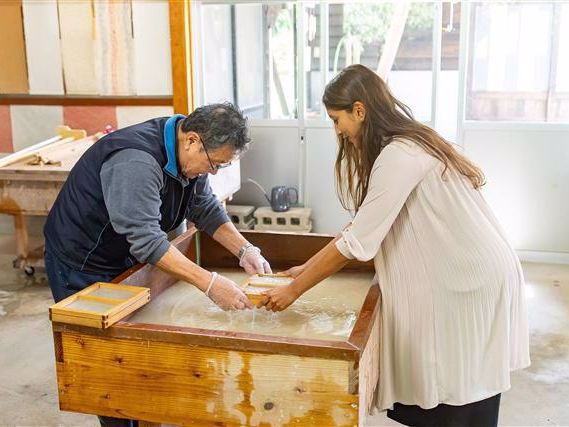
Local Experiences
There’s no better way to learn than by doing. Across Japan, hands‑on workshops offer opportunities to engage with traditional crafts and practices—from sushi‑making and indigo dyeing to learning the basics of
taiko drumming. These experiences foster meaningful connections and offer insight into skills and traditions that remain central to local communities.
|
|
|
|
Local Voices
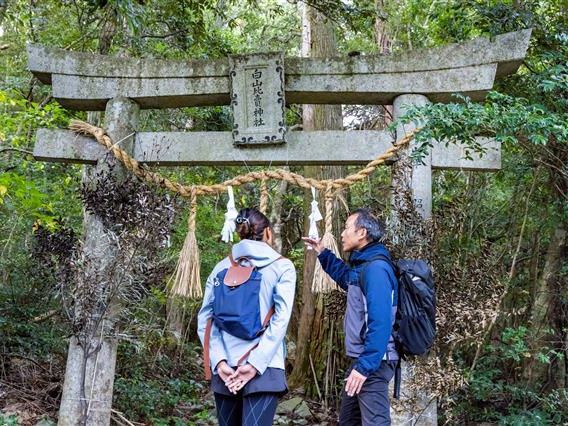
To really get the inside scoop, learn from the people who call the area home. There are numerous goodwill tour guides all across the country who are eager to share their neighborhoods, stories, and perspectives, offering insights and experiences that go far beyond what guidebooks can provide.
|
|
|
|
|
Top 5 Tips for Traveling like a Local |
|
|---|
|
✅ Slow down and wander: Spend more time in fewer places so you can really explore
and get a feel for the area
✅ Support local businesses: Choose family‑run shops, restaurants, and
accommodations so your visit directly benefits the community
✅ Ask locals for recommendations: Shop owners, hosts, and guides often know the
best hidden gems that don’t show up in guidebooks
✅ Follow local customs: Pay attention to etiquette around shoes, dining, and
photography to show respect for local ways of life
✅ Be mindful of the neighborhood: Respect clearly marked boundaries and
community rules—some places are private or not meant for visitors
|
|
|---|
|
Good to Know: Travel Updates |
|
|---|
|
To help cover upgrades to tourism infrastructure, Japan’s international departure tax is going up a bit. Starting July 1, 2026, the fee will increase from ¥1,000 to ¥3,000 per person for travelers aged two and over leaving Japan by air or sea. There’s nothing extra to worry about—it’s automatically included in your airline or ferry ticket. |
|
|
|
|
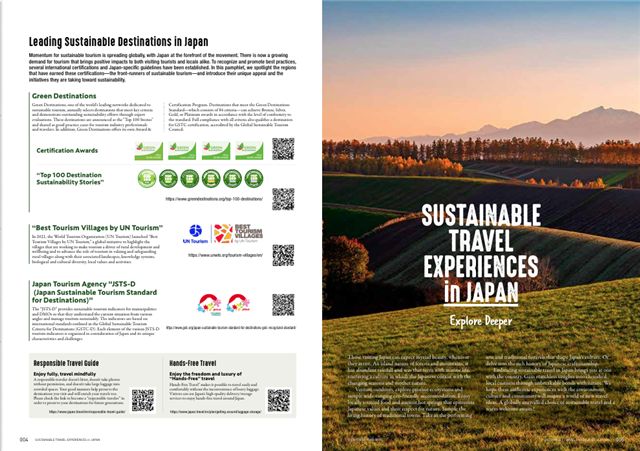
Want to learn more about sustainability in Japan? Check out these resources:
|
|
|---|
|
Looking for more Japan Travel information?
Visit our website: |
|
|---|
|
|
|
|  |
|
|
|
|
|